The Gift of More Time
My family and I are taking this book to LA next week at the start of breast cancer awareness month. Here’s why.
A month after I started as the CMO of OpenAI, I was diagnosed with stage three breast cancer. I had just turned 42. My children were three and six.
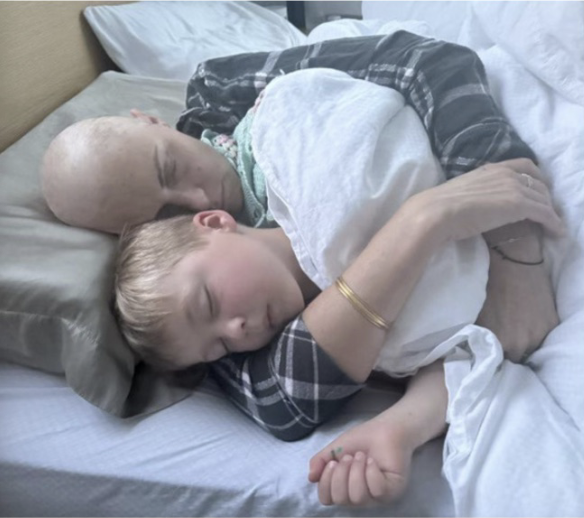
My cancer was driven by a protein called HER2. Today, HER2-positive breast cancer is treatable. But before a drug called Herceptin (FDA approved in 2006) this disease was devastating: aggressive, fast-spreading and far more likely to recur and metastasize. Once it became metastatic, average survival was 14 months.
I am now cancer-free. Herceptin and the wave of precision oncology it unleashed helped save my life.
During treatment, I paid a lot of attention to the inner game. I was trying to survive and support my body to accept 16 rounds of chemotherapy. I tried not to think of chemo as poison. Instead I imagined it as a healing fire that melted the cancer away. I thanked the bag every time a nurse hung it. That gratitude made me curious.
I started reading about my drug regimen and specifically about Herceptin (which I received with every chemo infusion): how completely it had changed the outlook for women with cancers like mine; how uncertain its path had been; and how one scientist, Dr. Dennis Slamon, had recognized what was possible and fought for more than a decade to carry what began as an outlier idea through clinical trials, funding crises, regulatory hurdles and into the clinic.
And then I learned something that blew my mind: He is still alive. He is still working. And he is in California. The person whose work helped save my life is not an abstraction from medical history. He is a few hundred miles away. I couldn’t stop thinking about it.
I sent a cold email to a UCLA address I found online. It never reached him. But a former colleague, Josh Miller, heard my story. Unbeknownst to me, Josh sits on the board of the UCLA cancer center. He pinged:
“Would you like to meet Dr. Slamon?”
Um, YES!
As the meeting got closer, I couldn’t stop thinking about all the other women whose lives Herceptin had saved or extended. UCLA estimates 3 million lives so far.
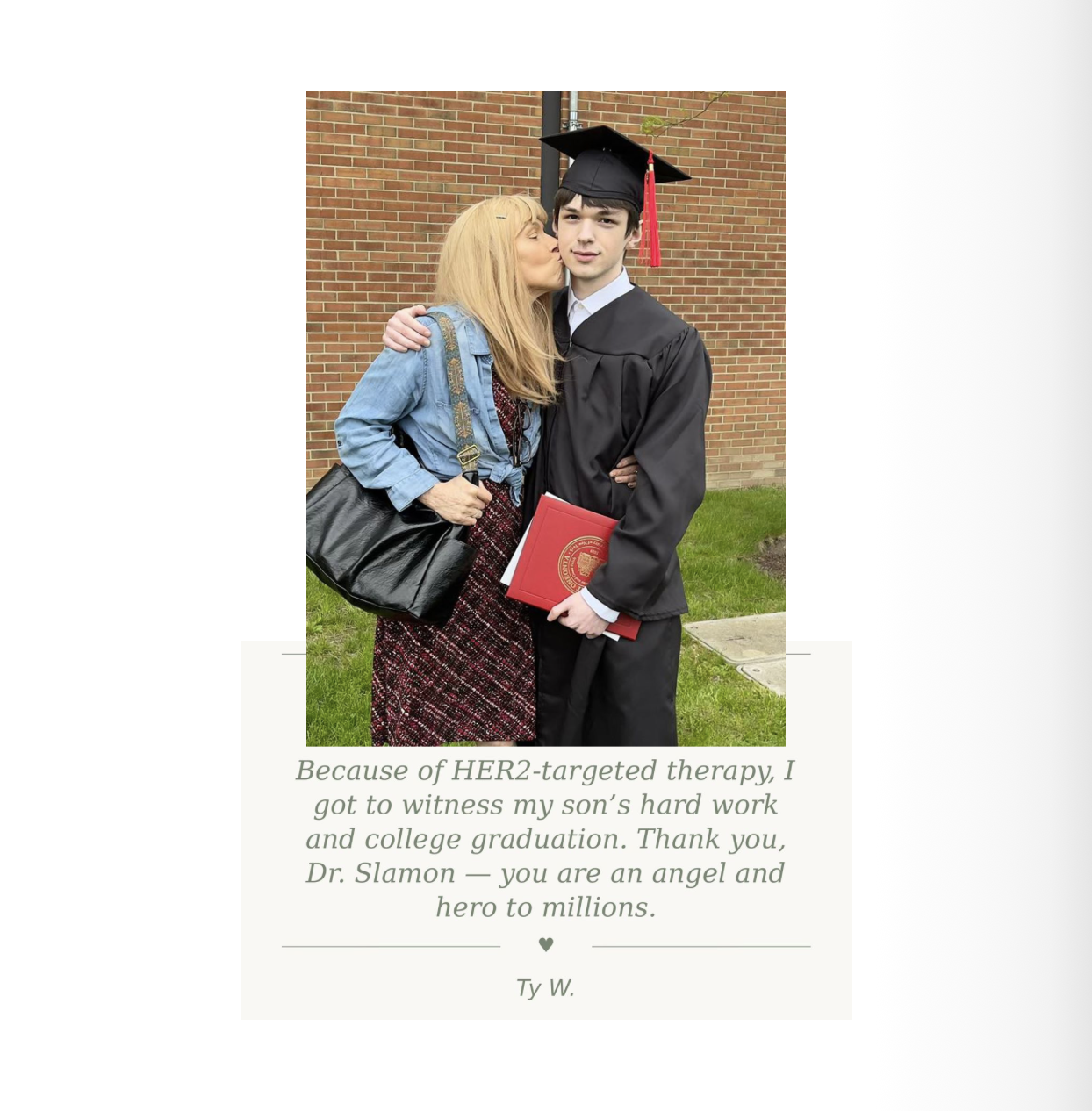
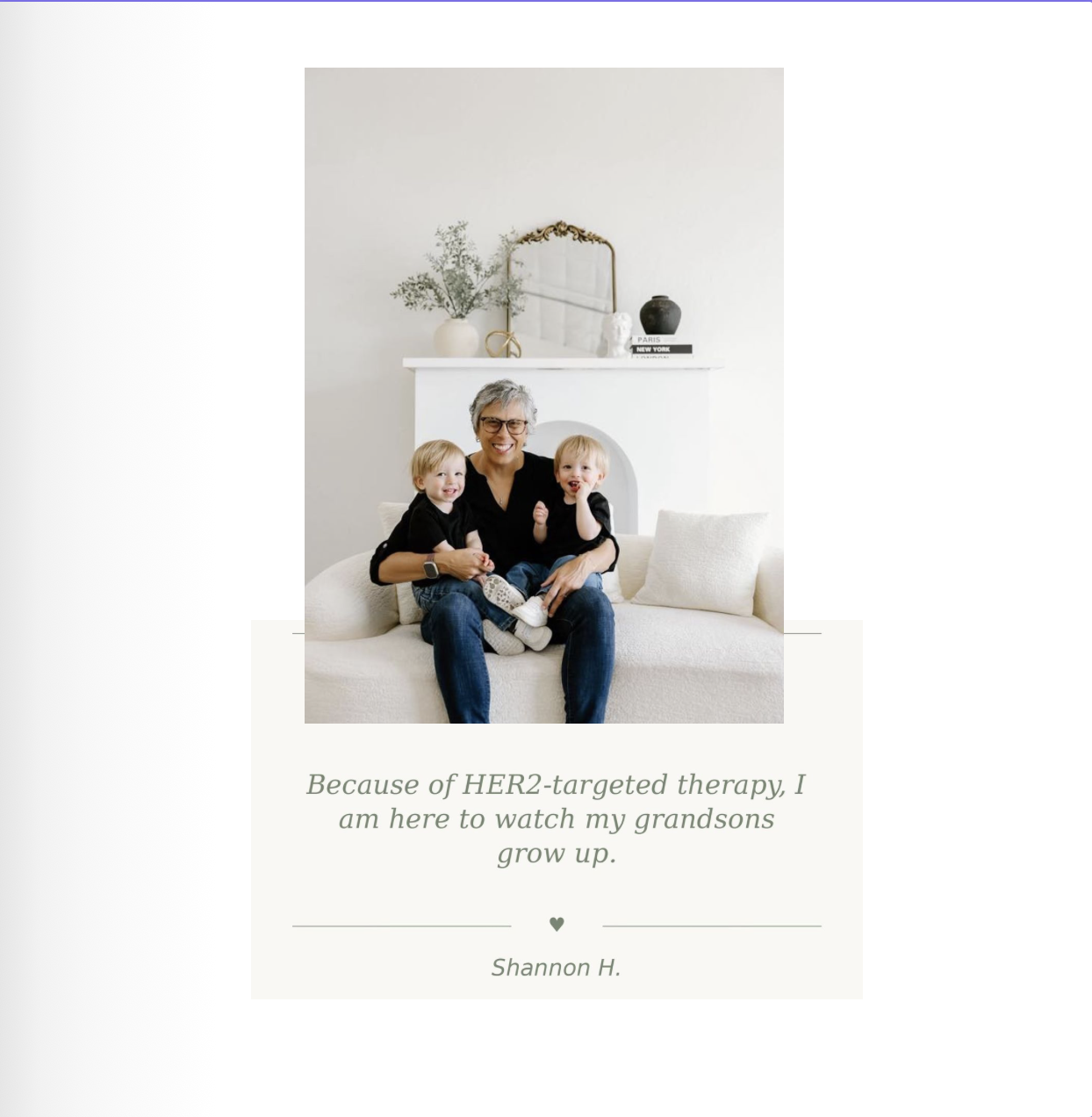
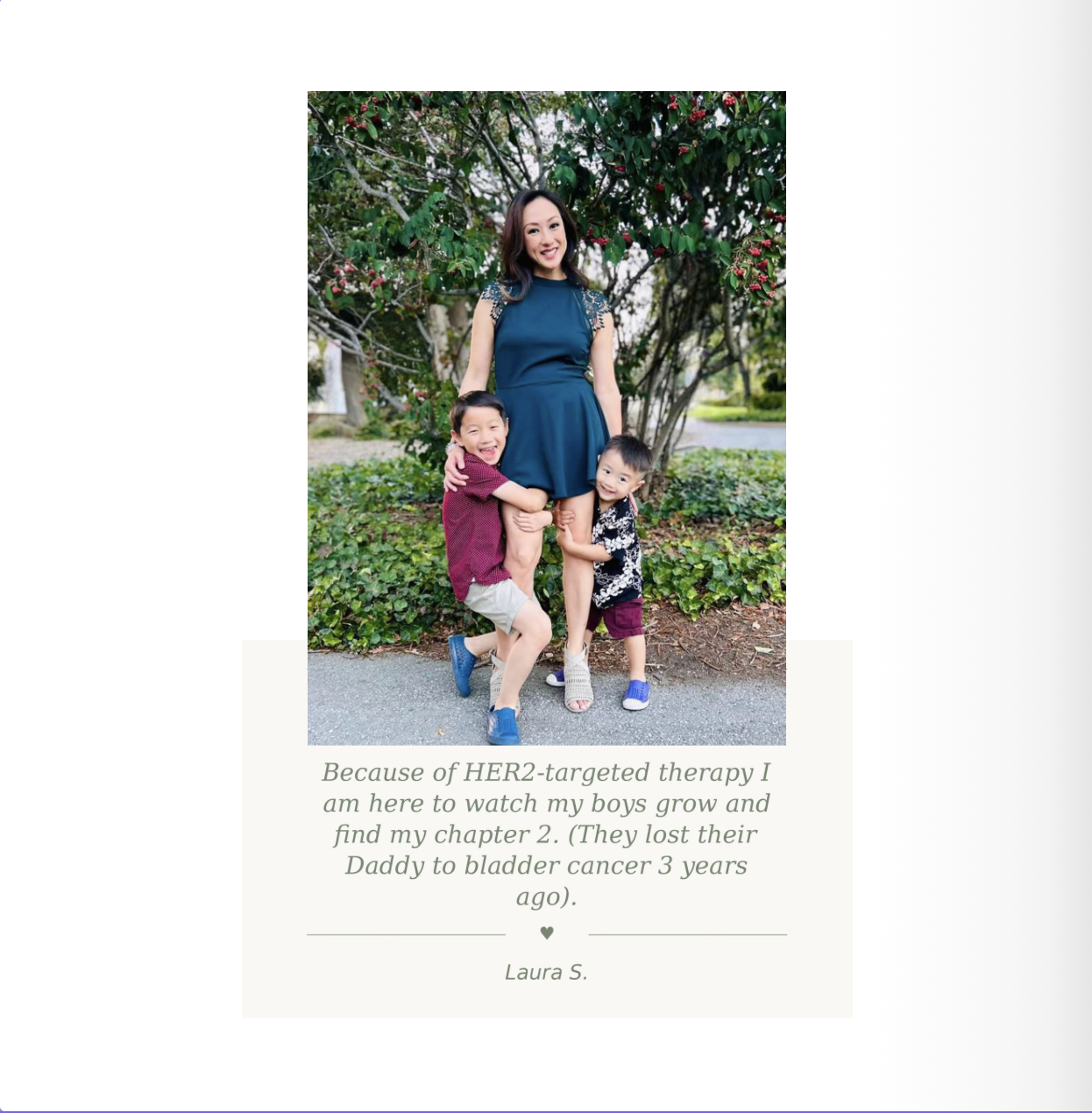
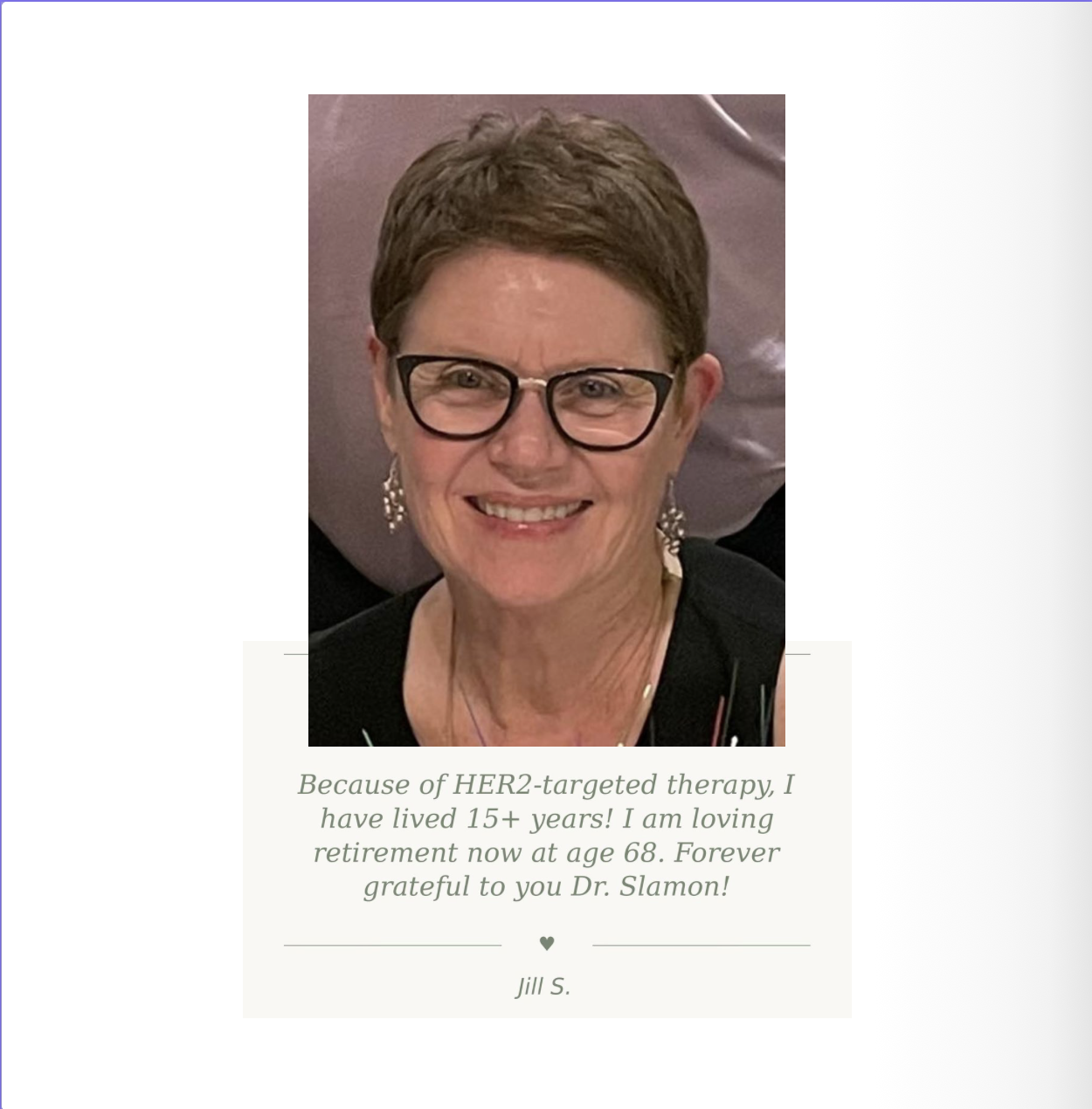
How many of them have imagined thanking Dr. Slamon? How many children have grown up with their mothers because of the work he did? How many graduations, weddings, family dinners, children and grandchildren exist because he followed what he saw and refused to let it go?
I’m in several Facebook groups for women with HER2-positive breast cancer, so on a whim I asked them to send me their stories. The responses poured in.
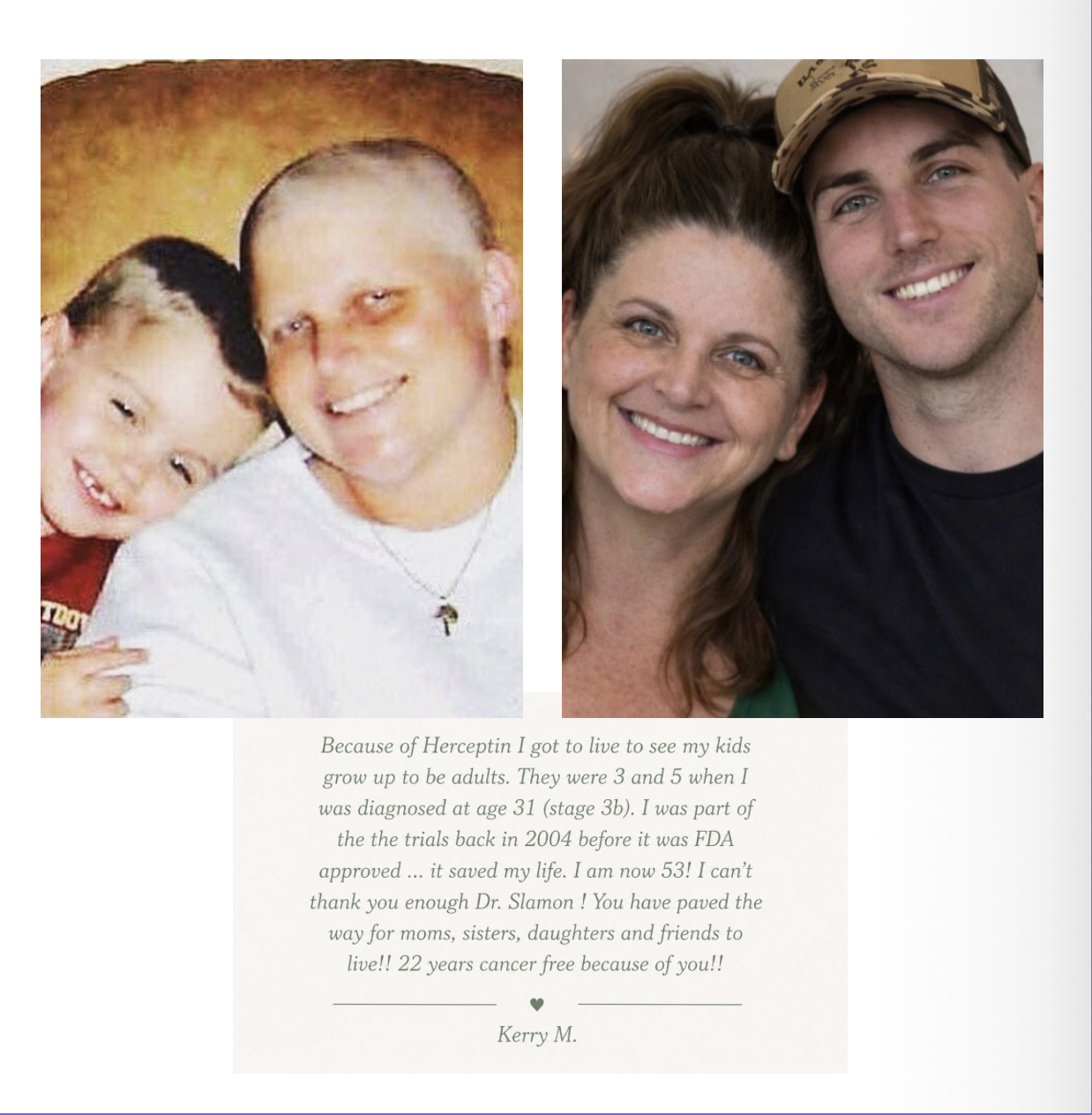
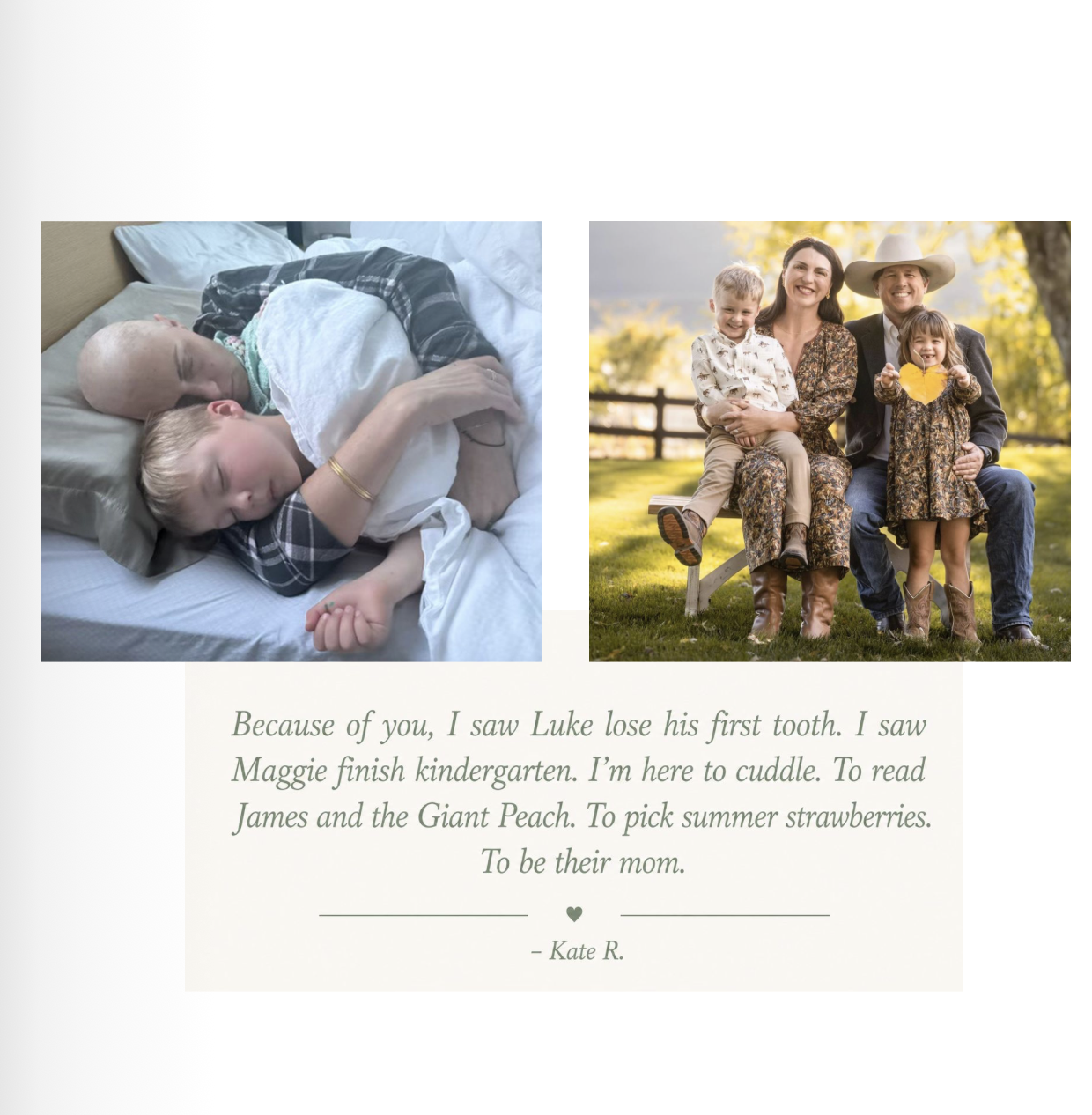
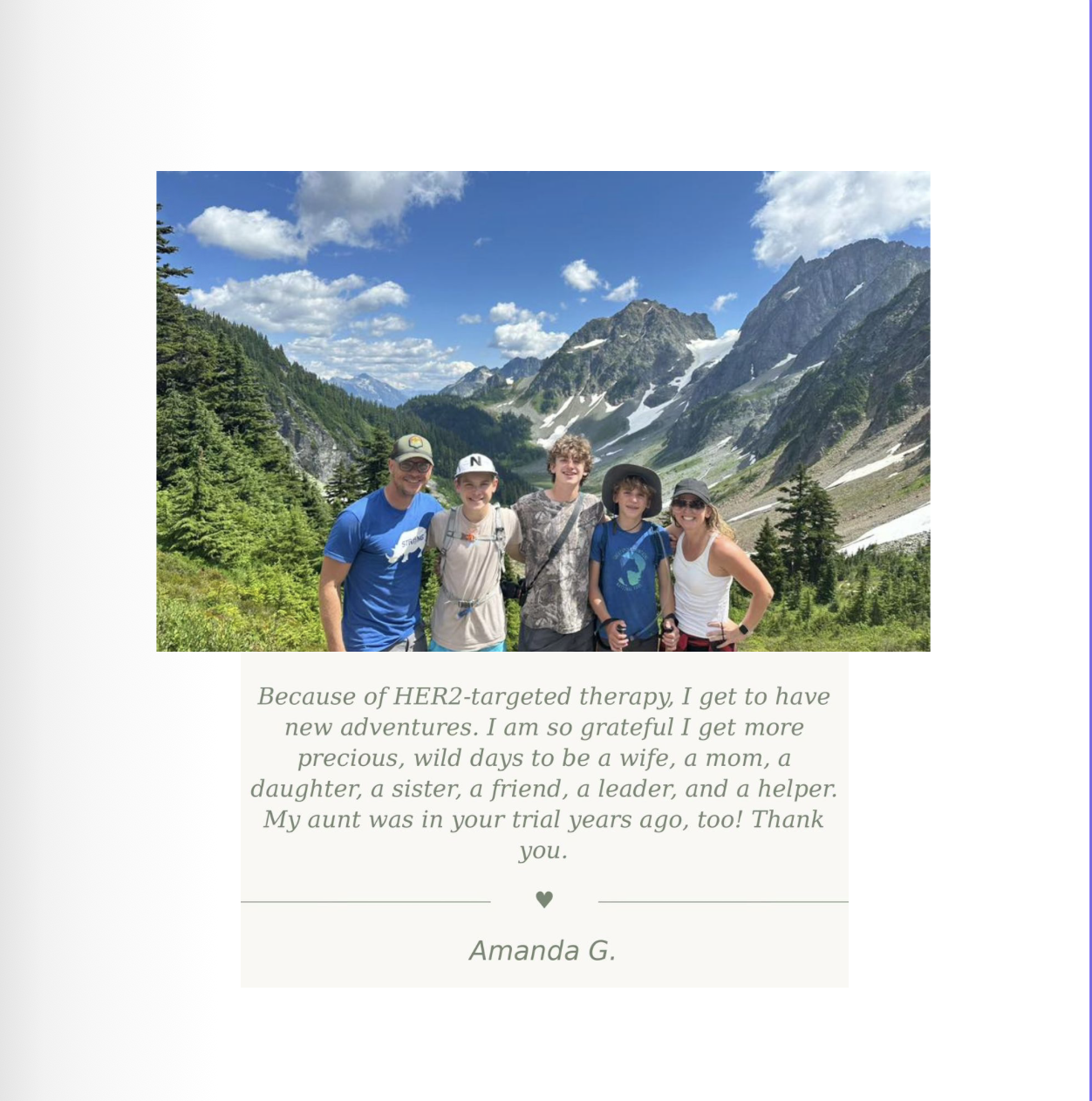
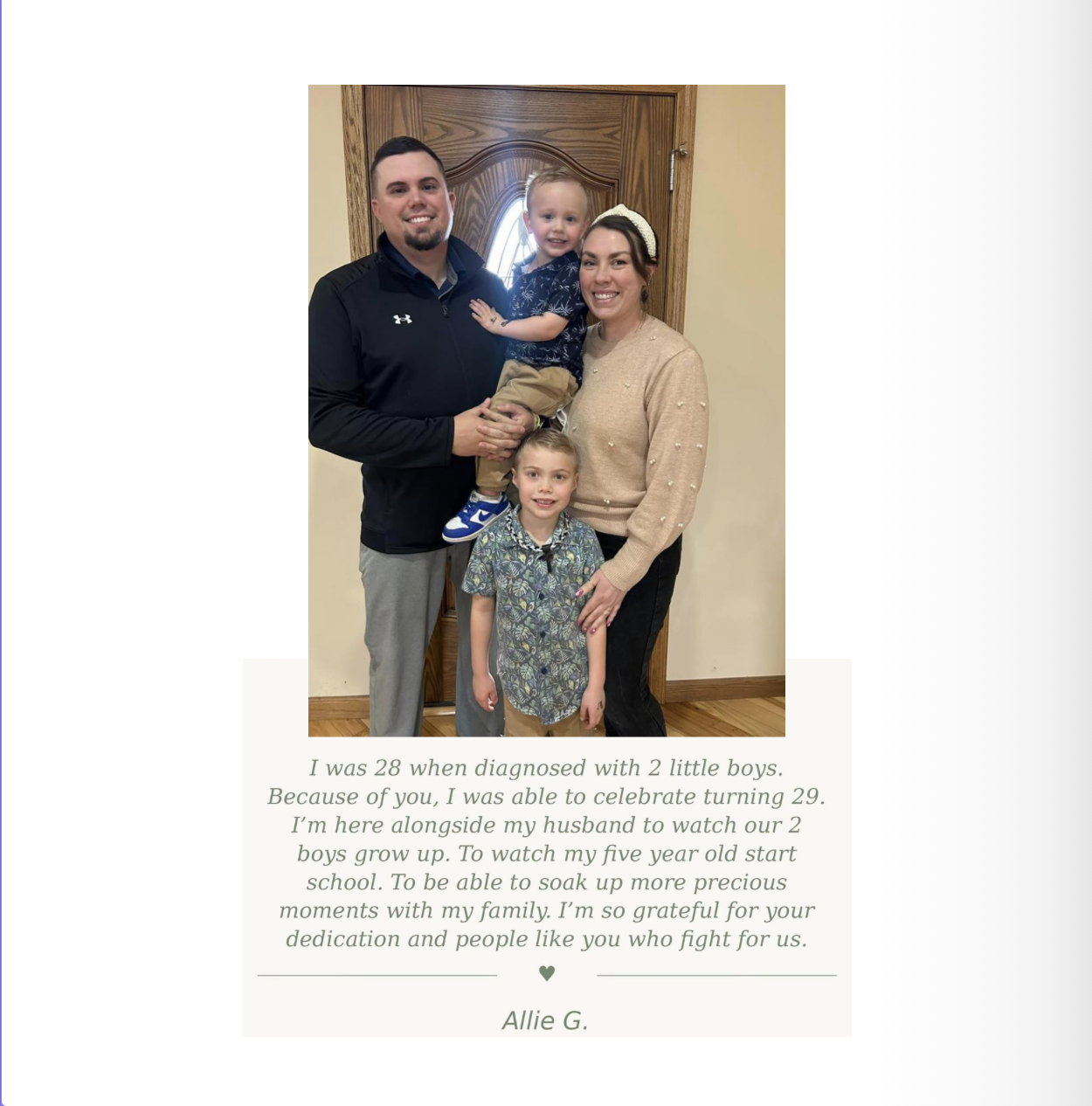
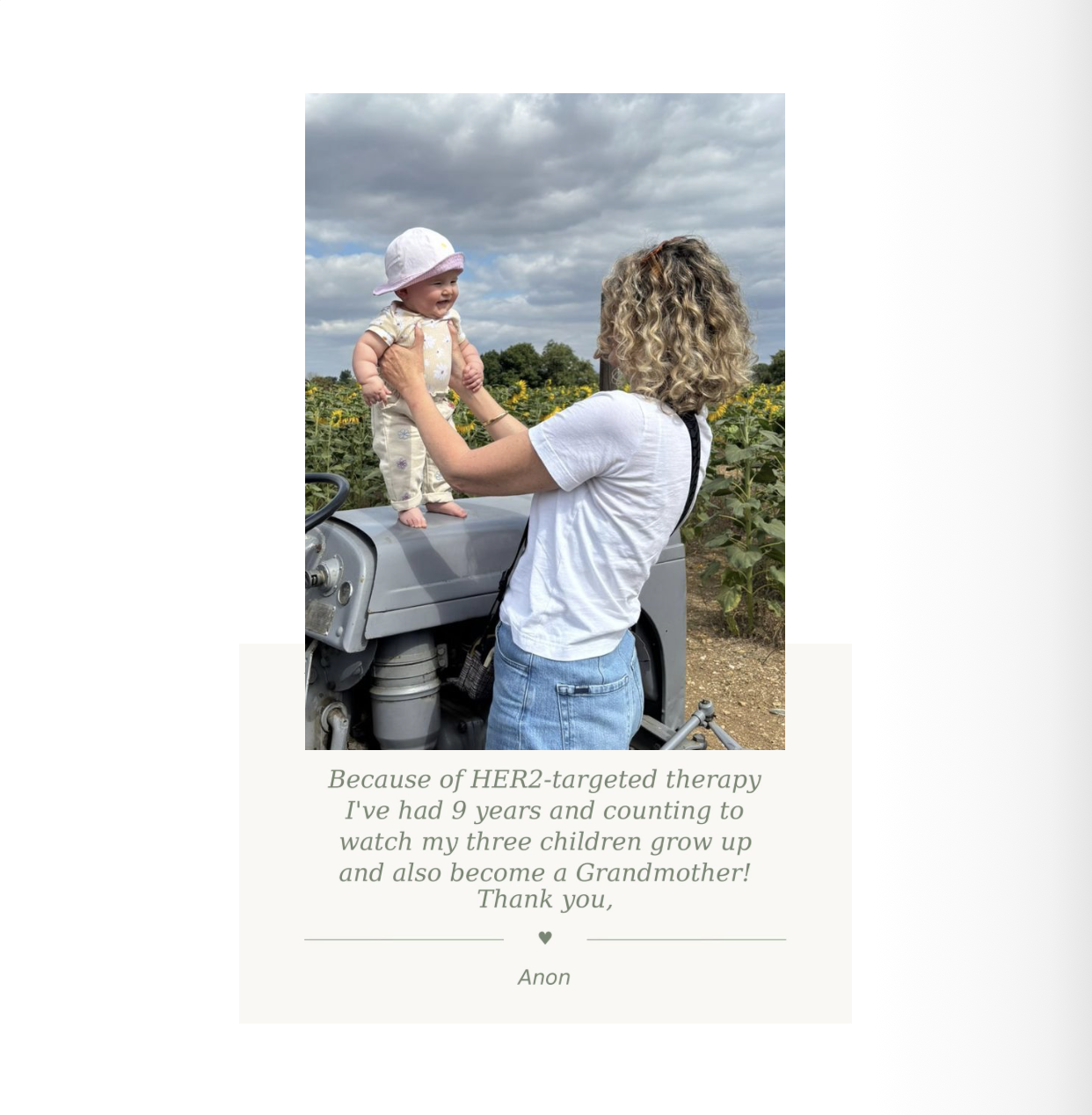
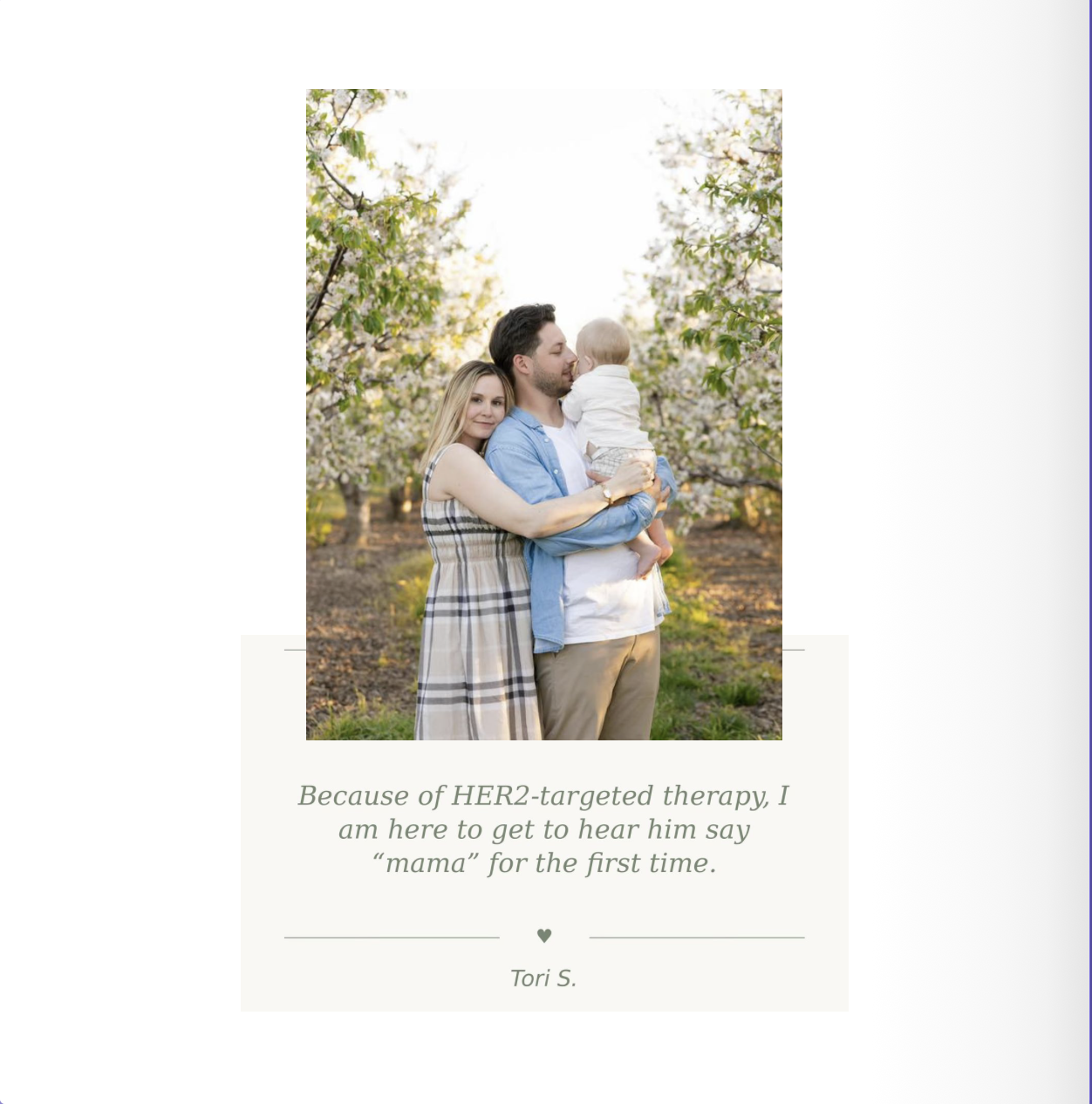
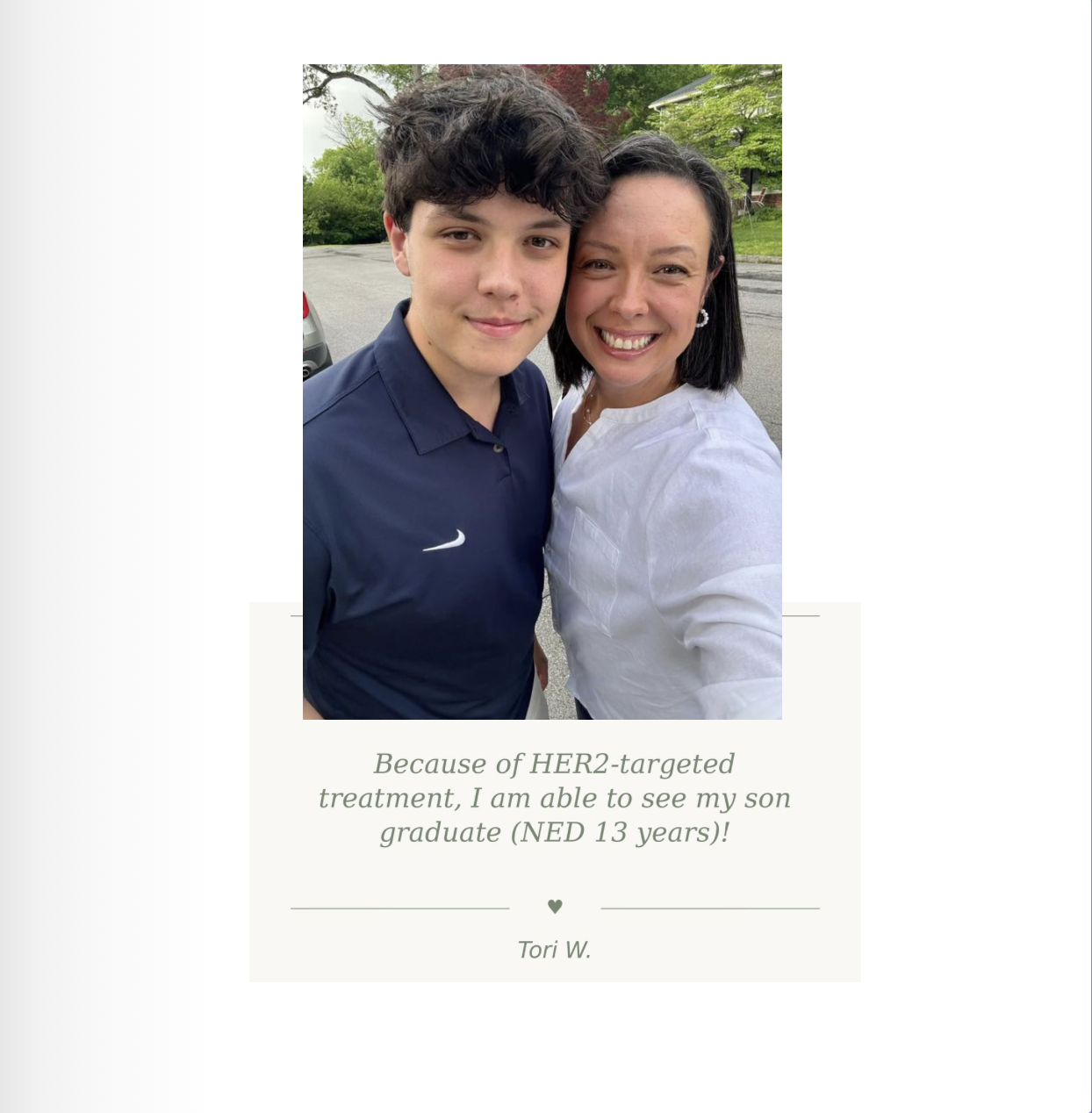
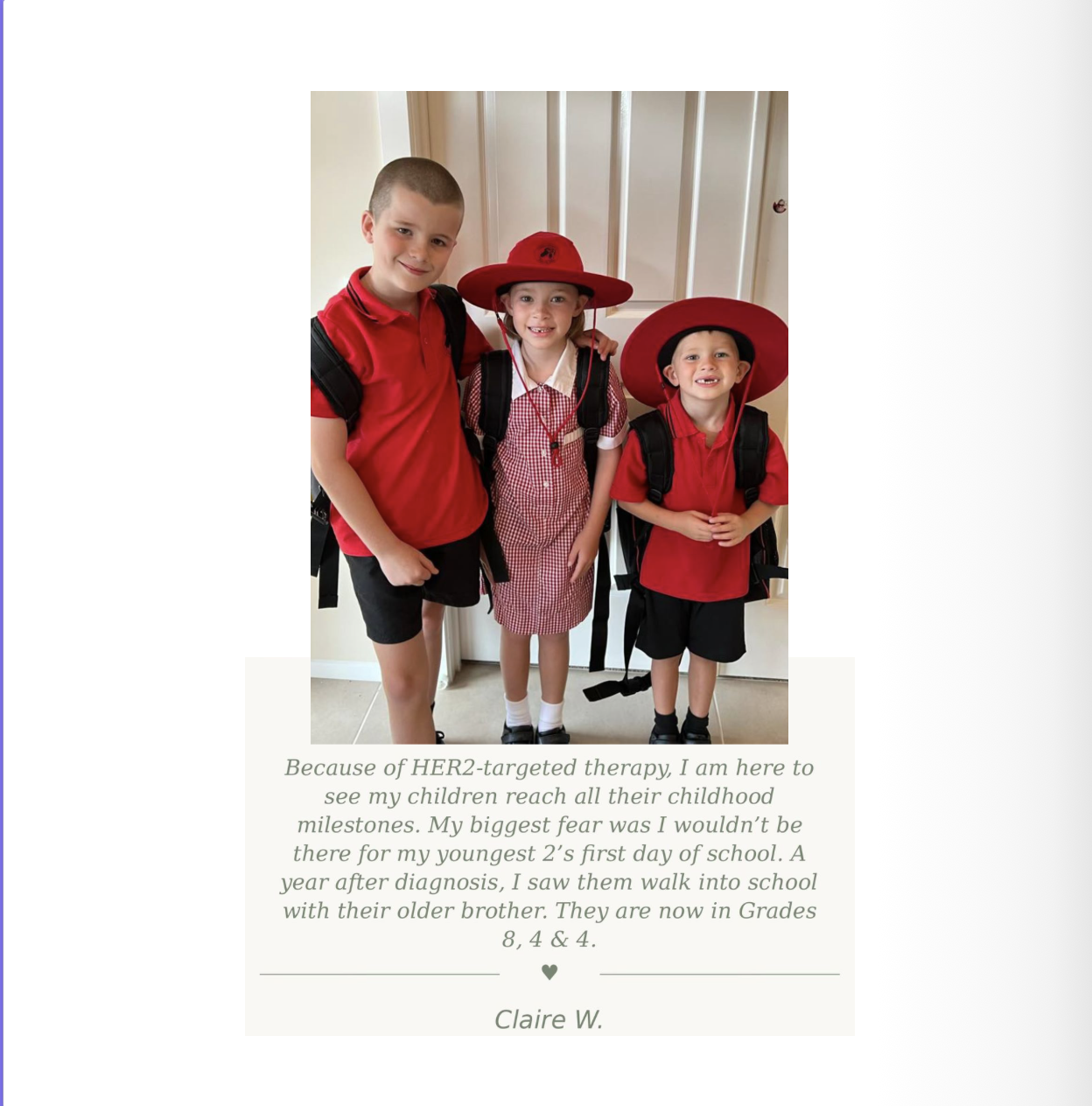
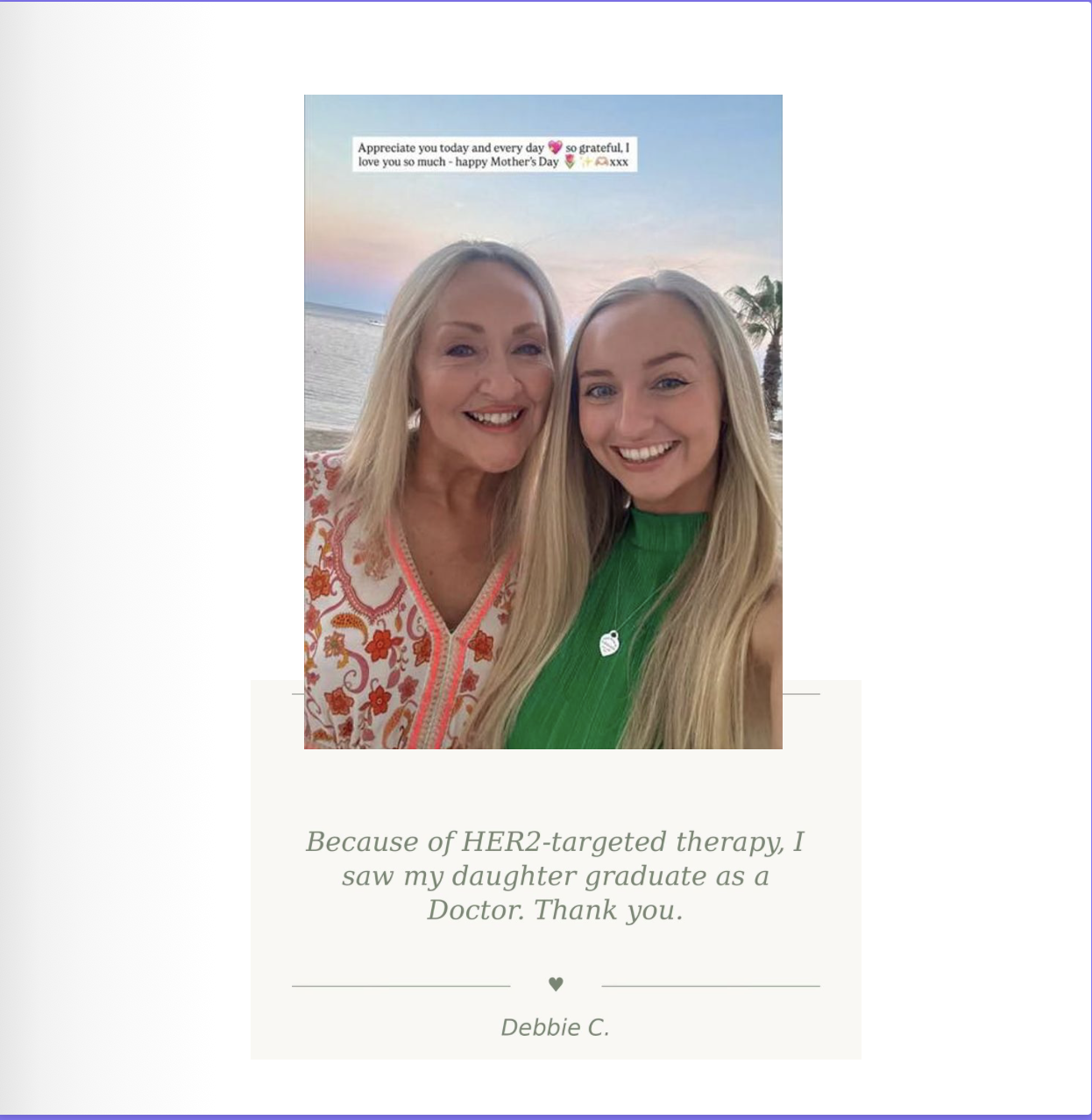
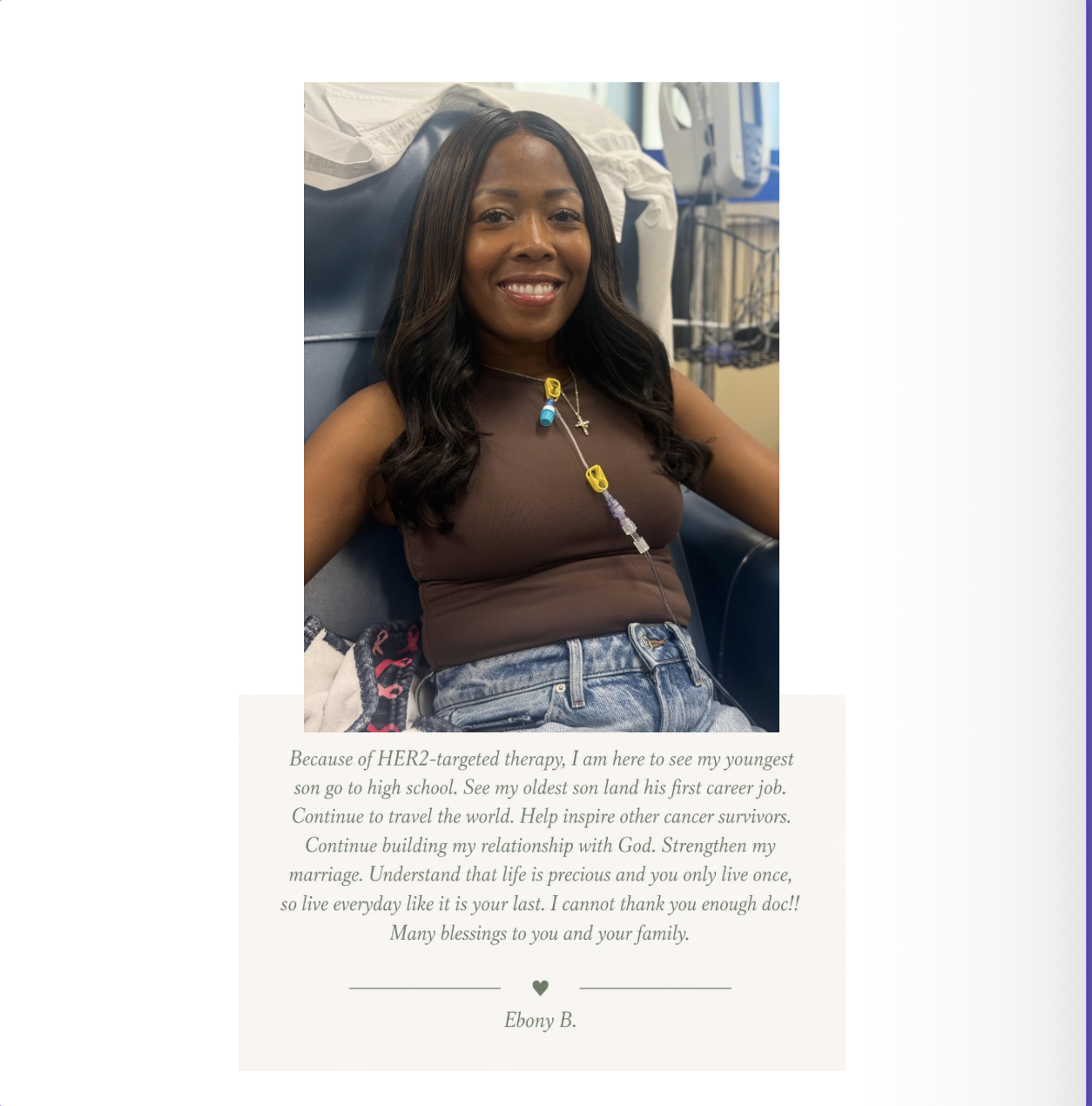
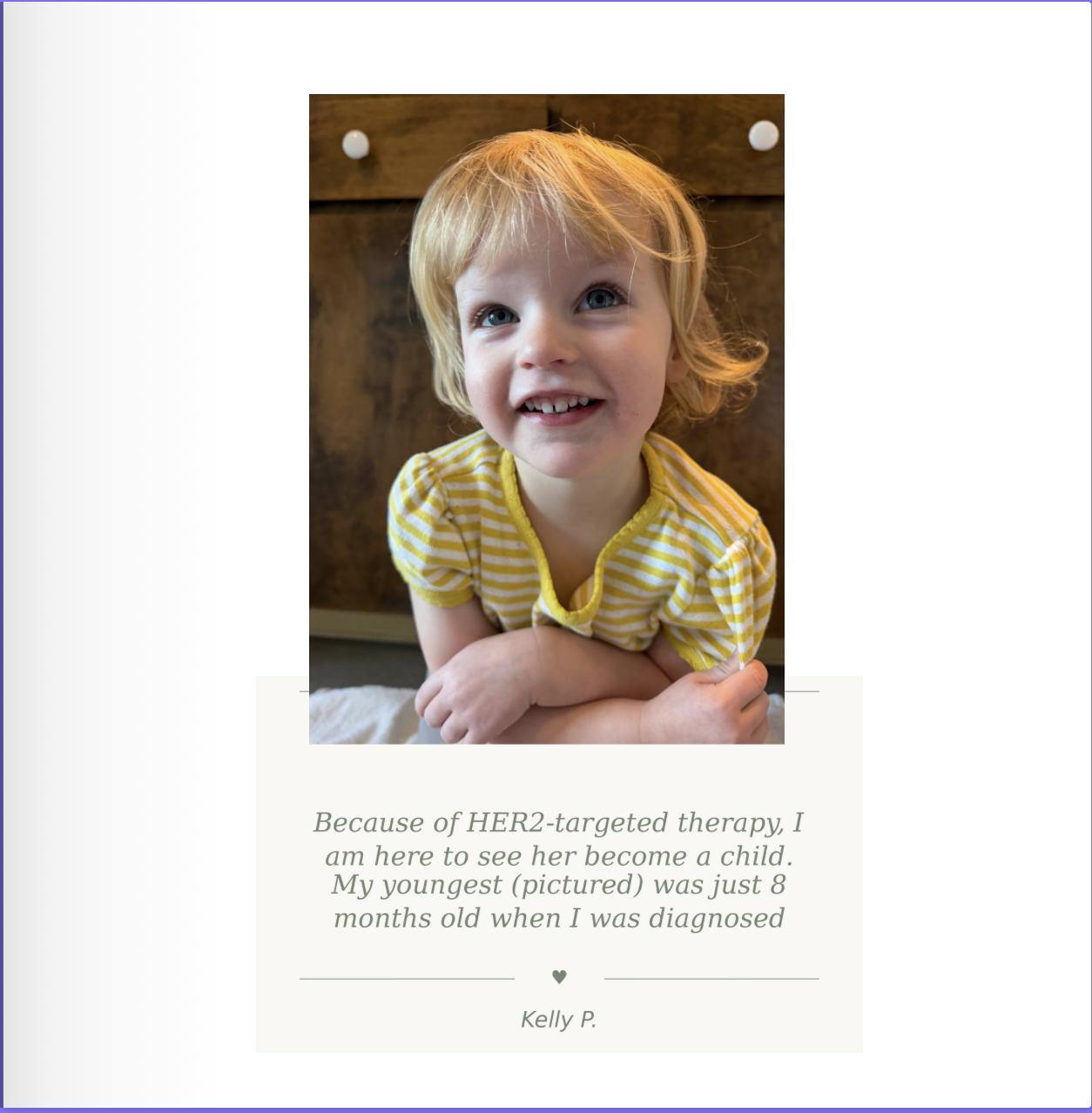
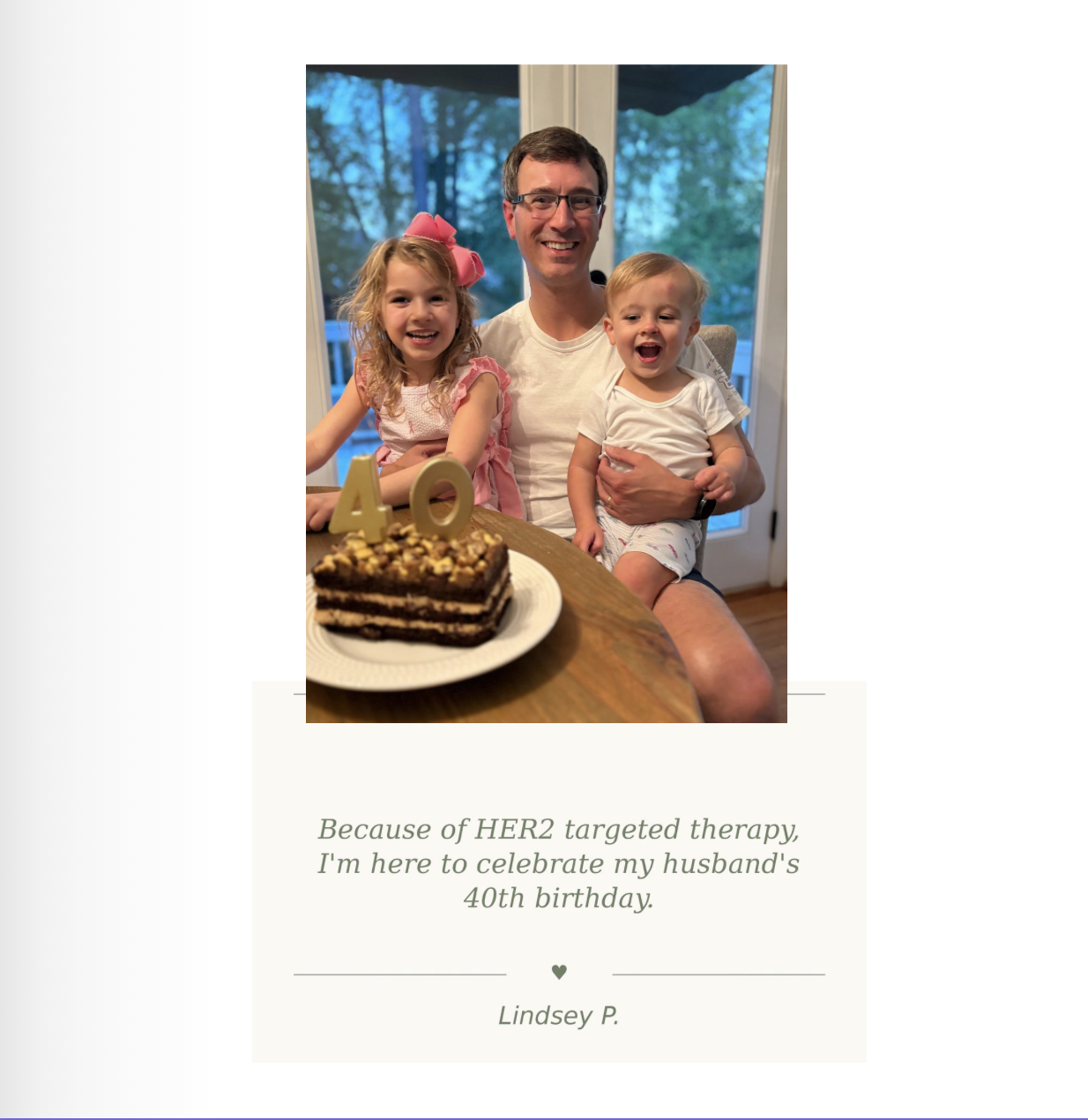
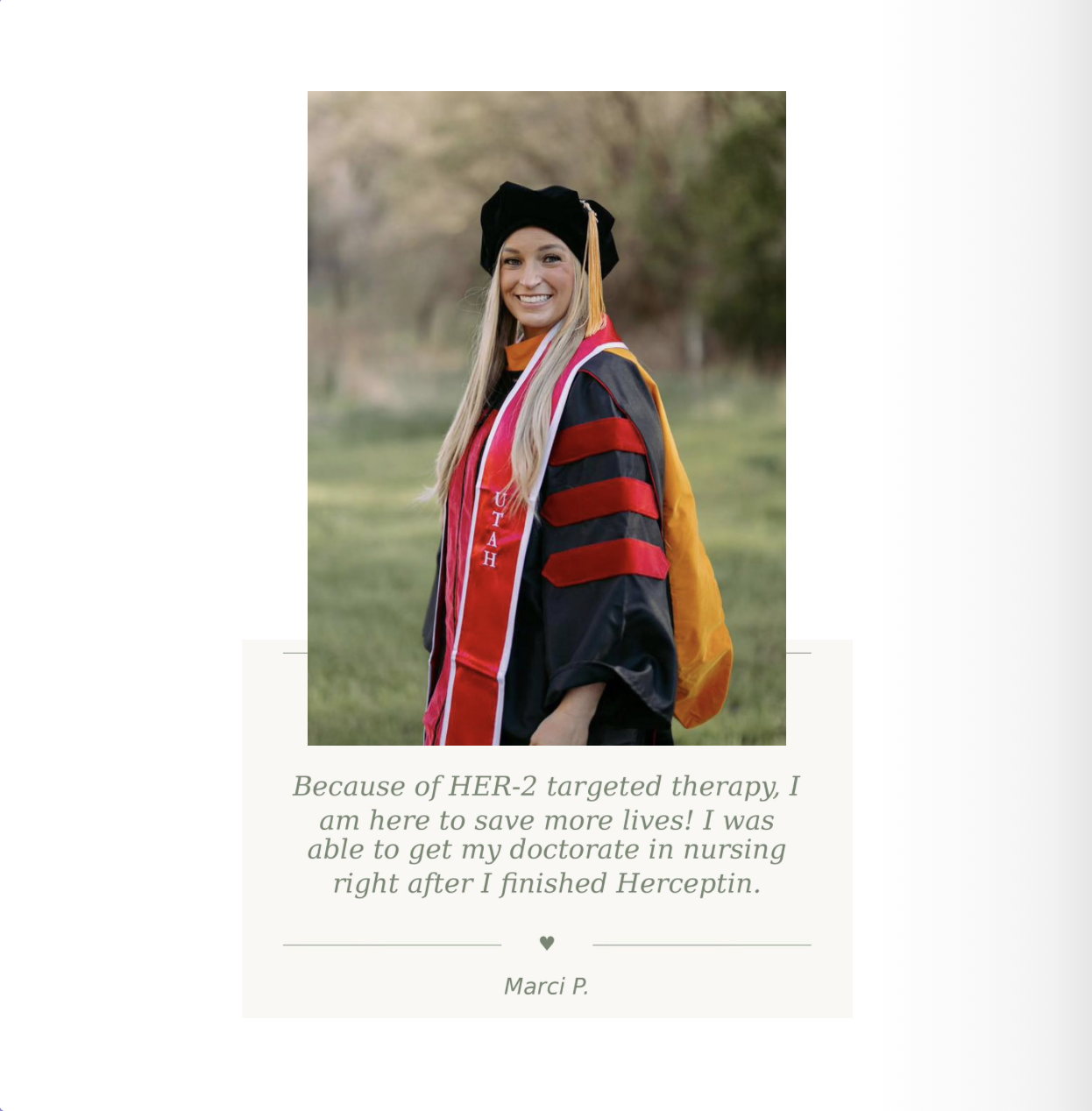
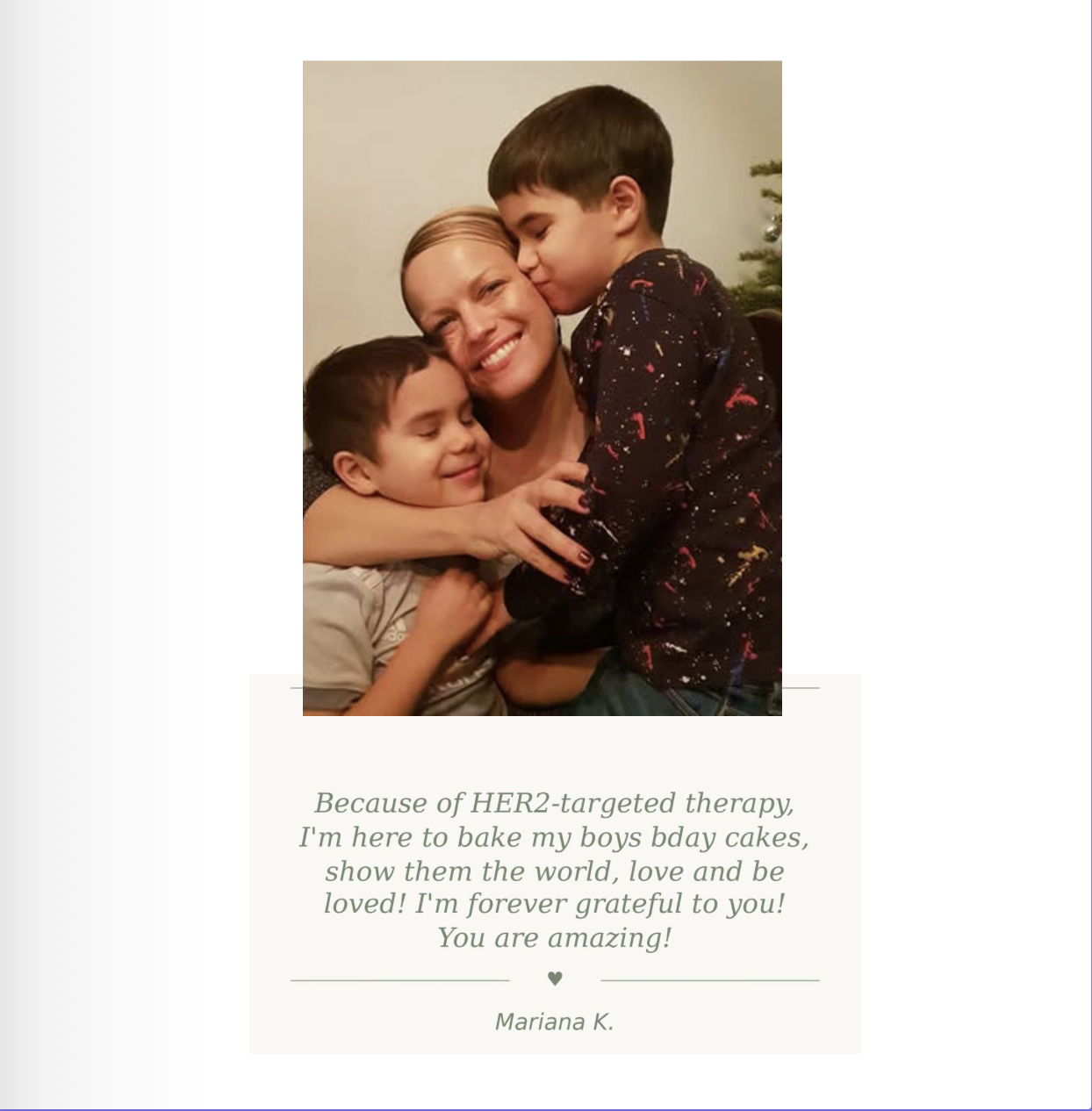
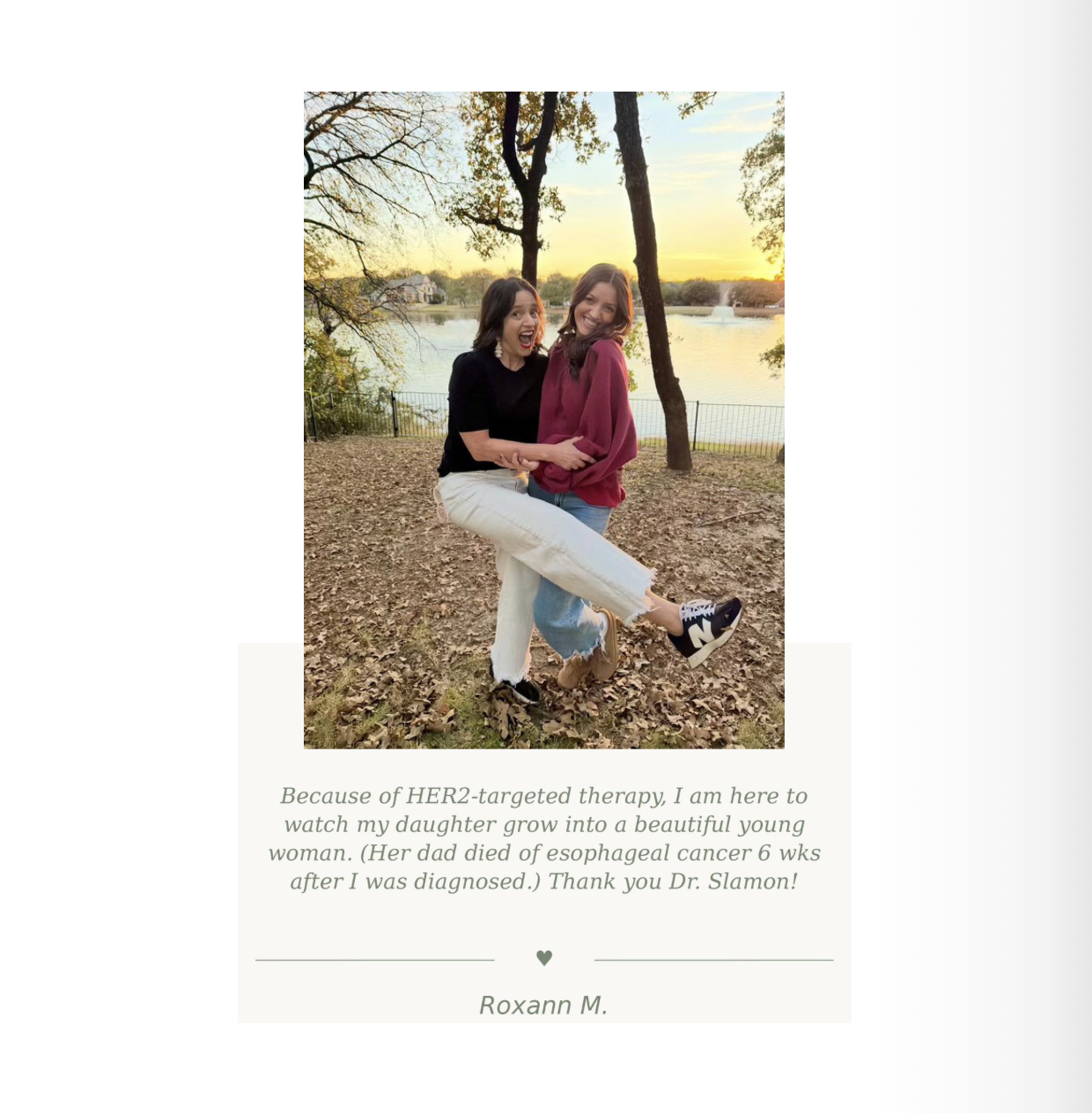
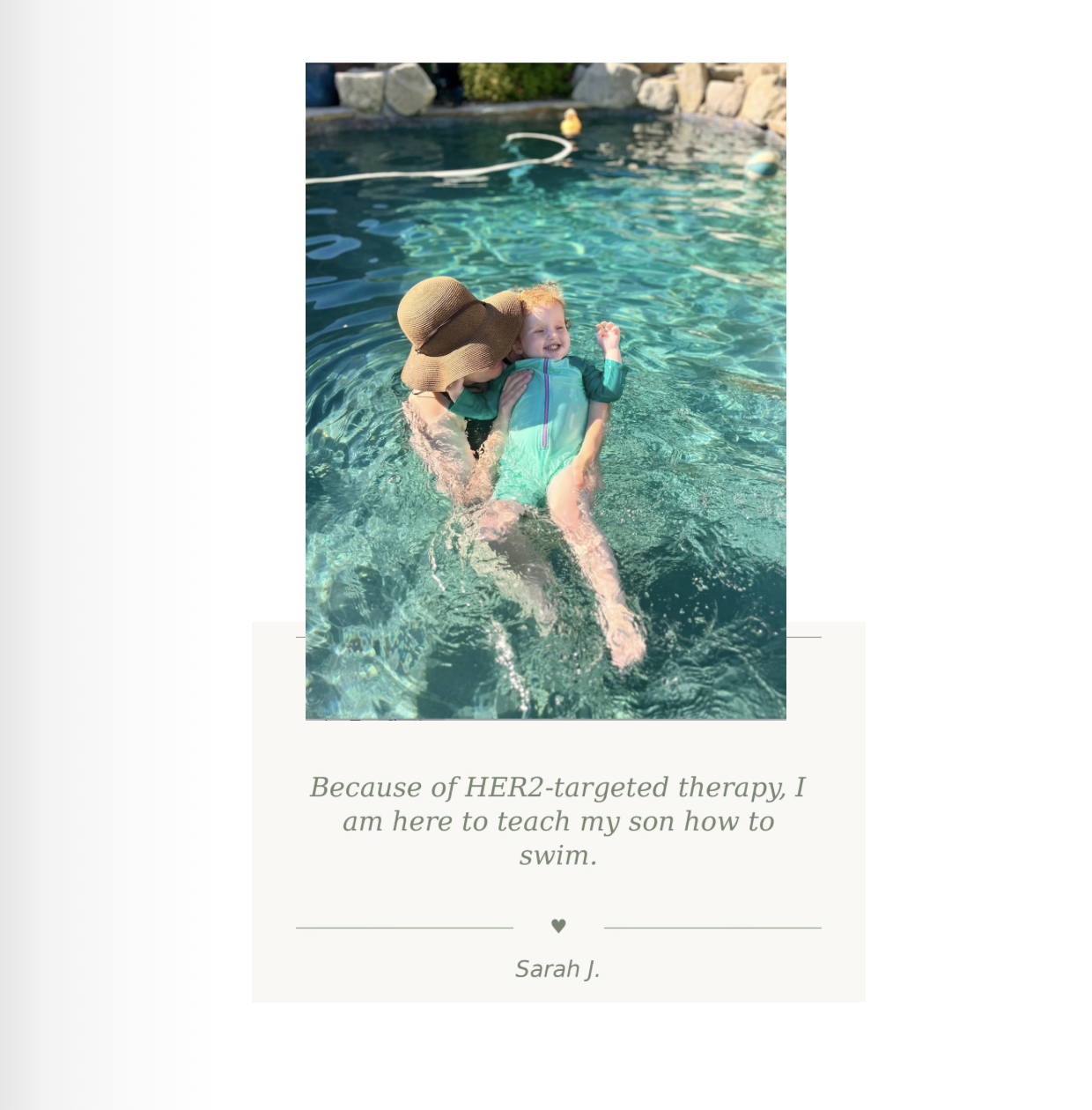
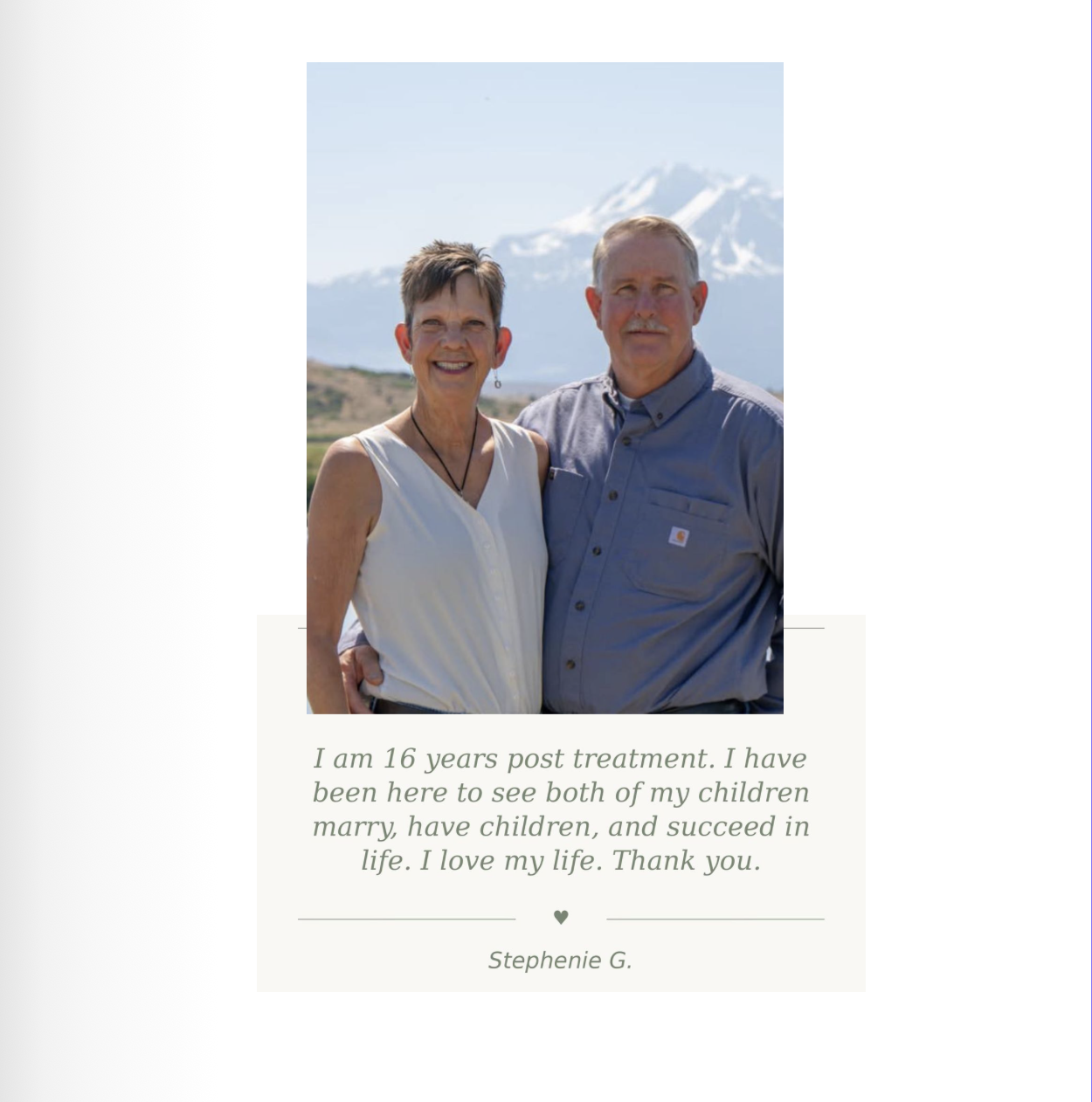
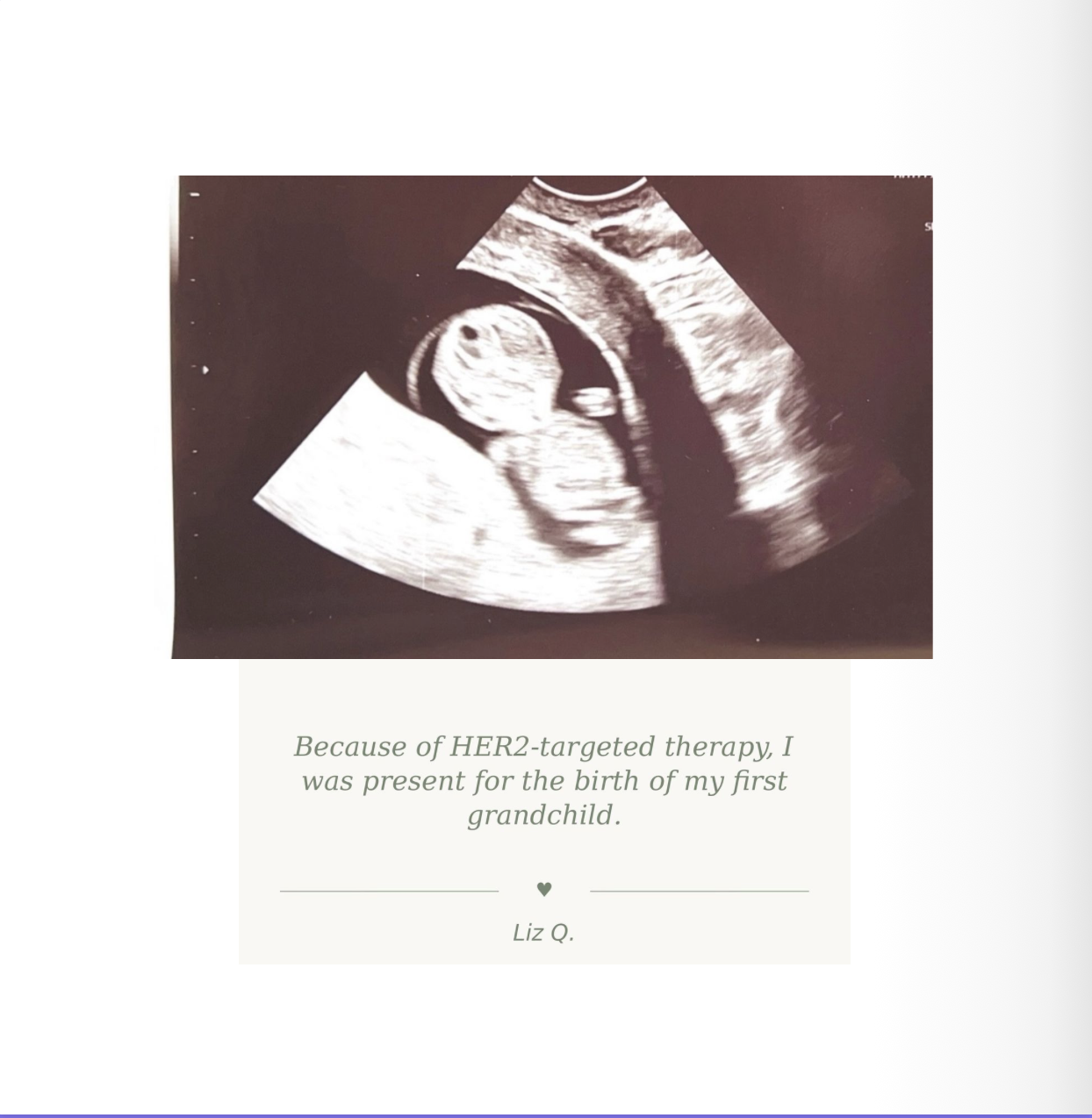
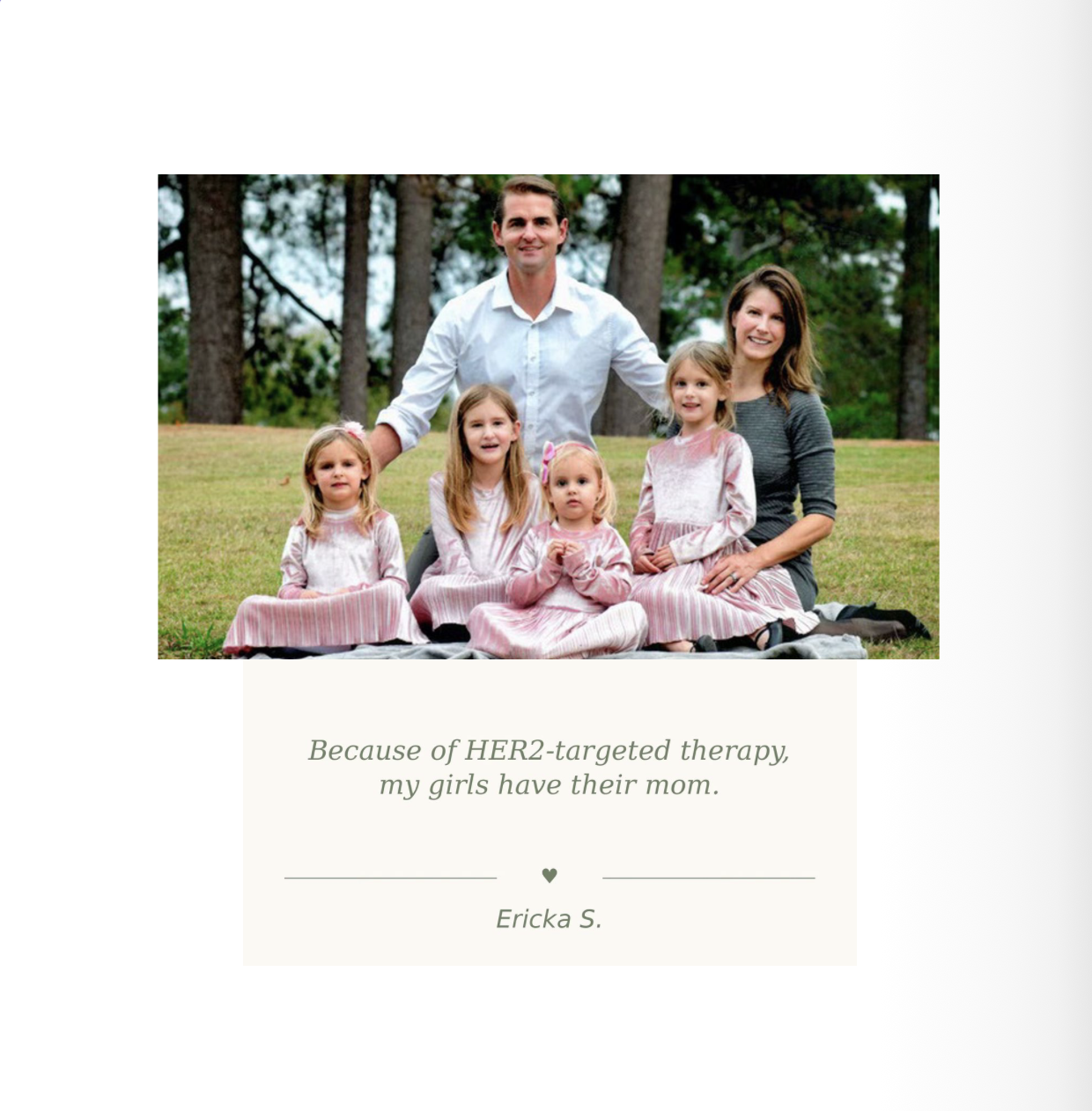
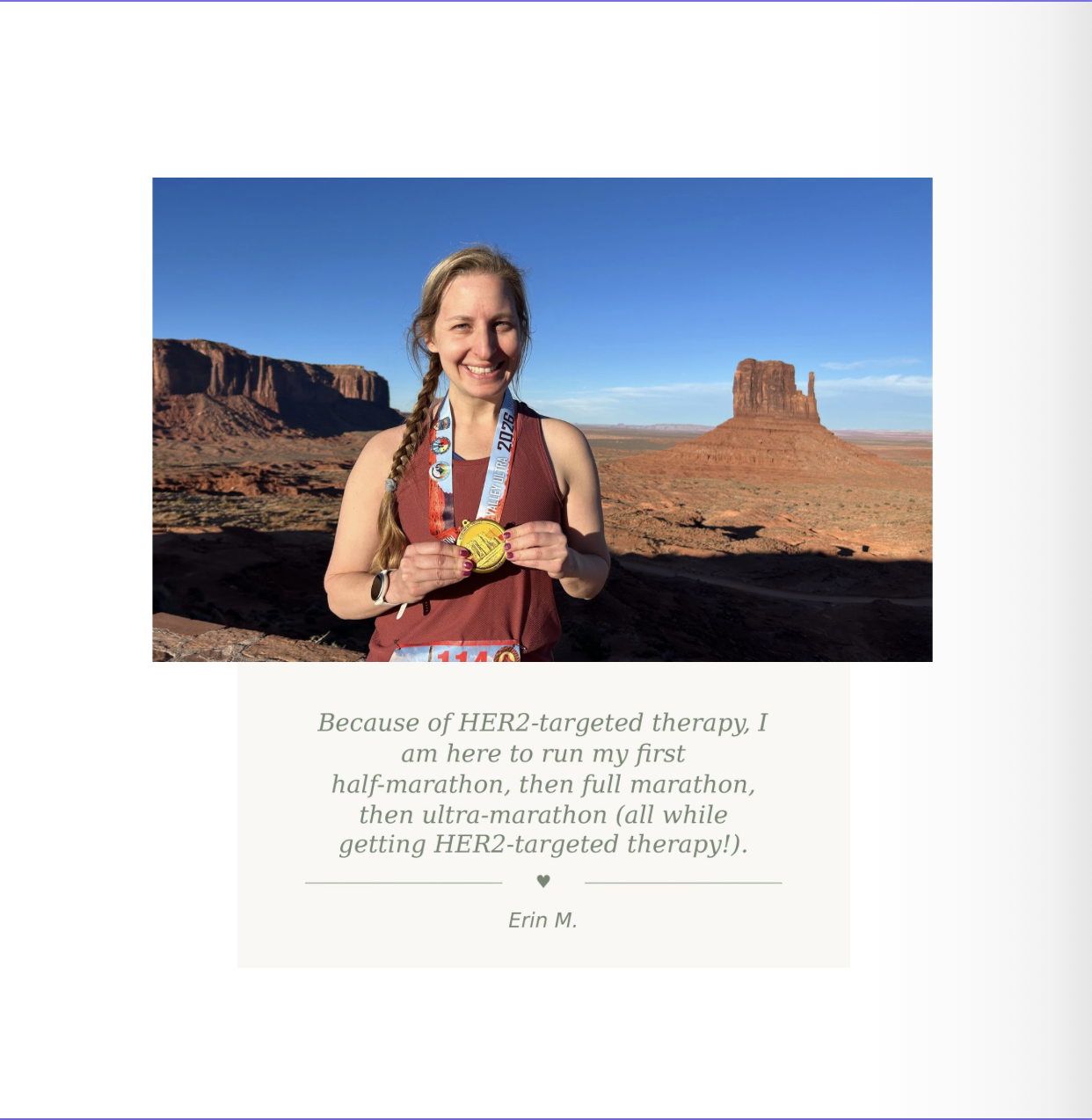
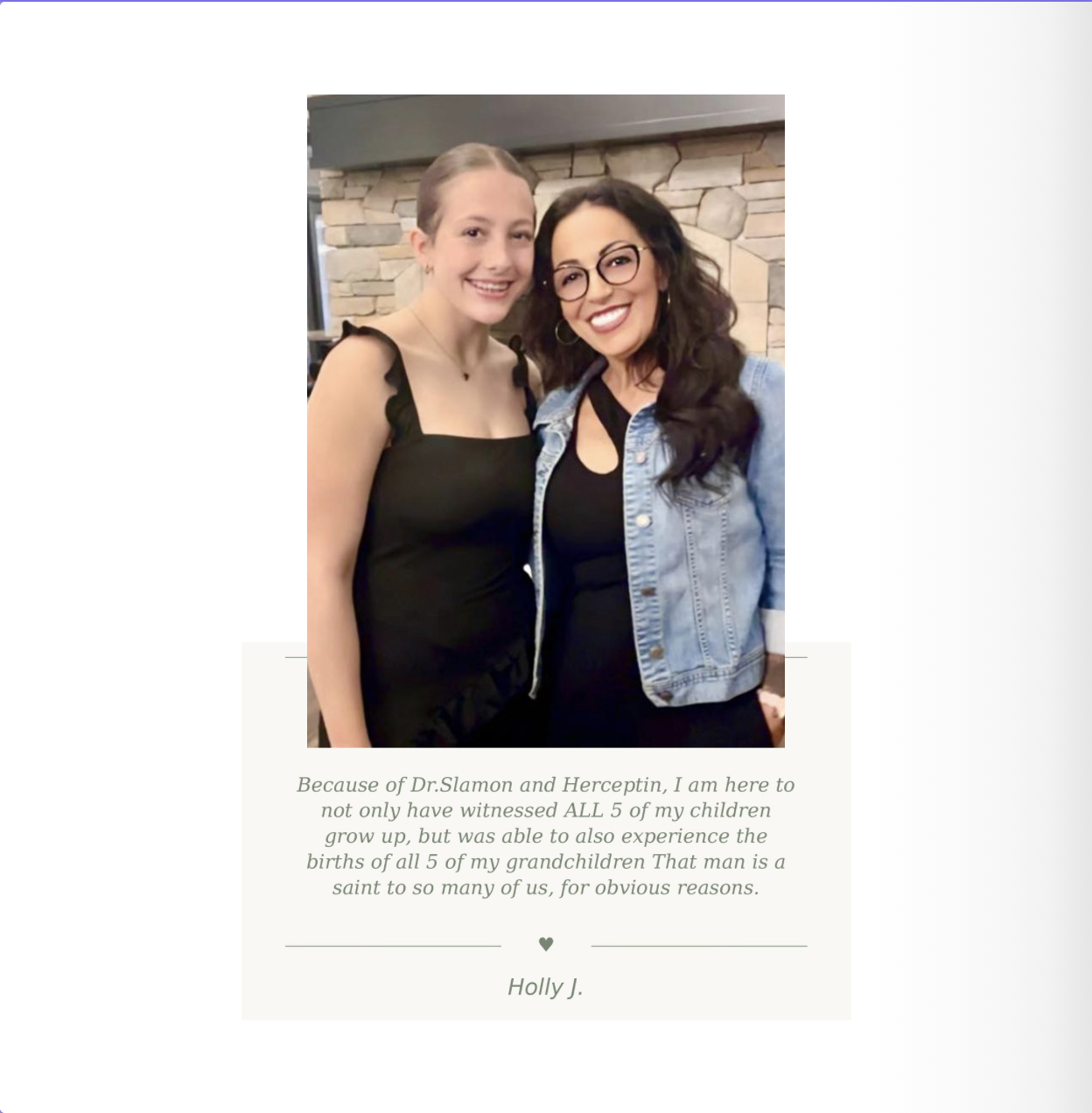
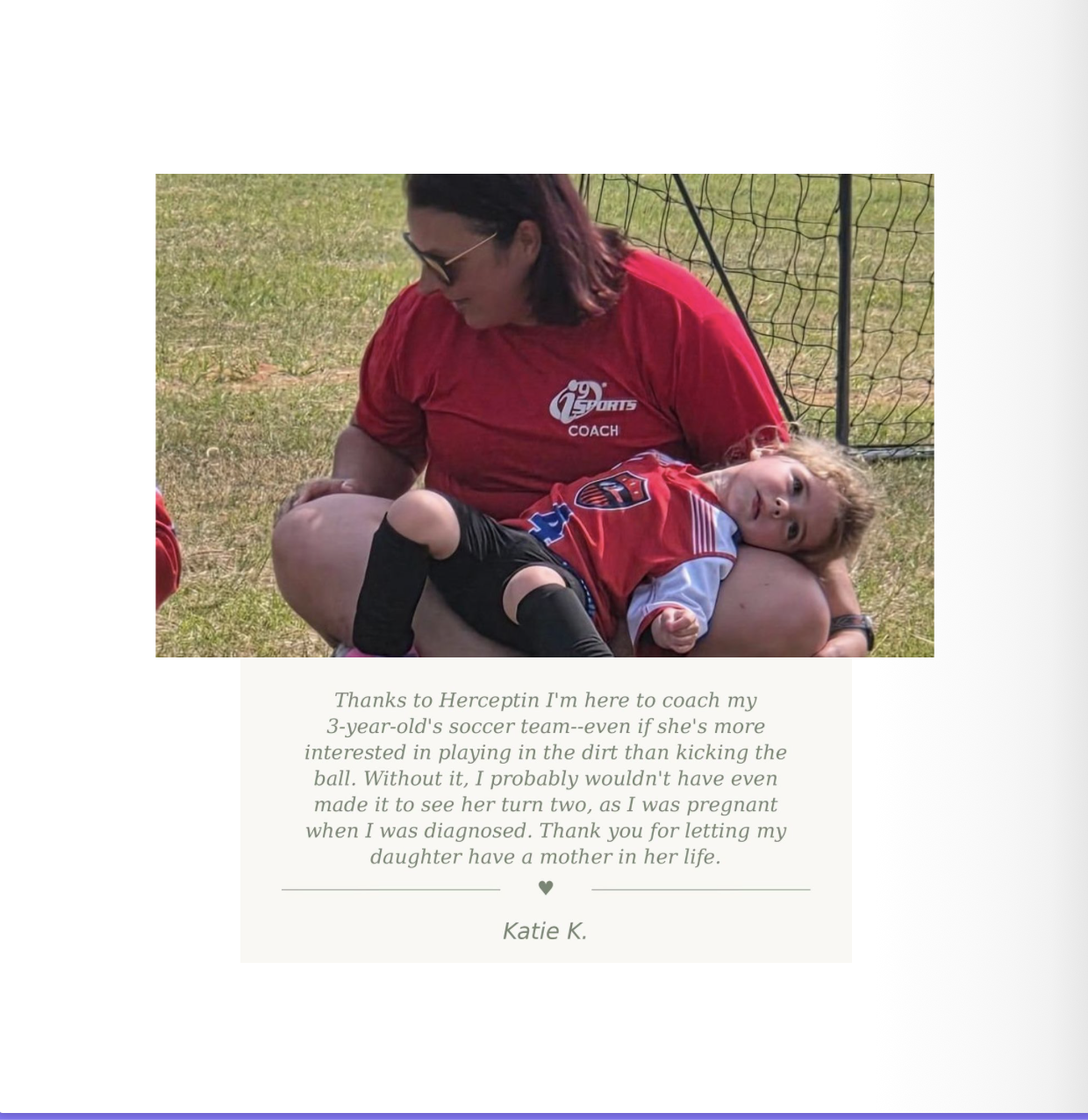
They sent photographs of themselves with the children they lived to raise. They wrote about watching their daughters go to prom, meeting grandchildren, becoming doctors, returning to work, falling in love and growing older. Even women from the phase I clinical trials—who stared down a near-term death sentence, and are now 26-year survivors—wrote in.
I put their photographs and stories into a book. And on Monday, I am flying to Los Angeles to place it in Dr. Slamon’s hands. I want him to feel the beauty of what he did coming back to him.
SEE THE BOOK HERE
My own children will participate. I want them to understand that the world is not fixed. Things that seem terrifying and impossible can change because someone sees something others don’t yet see and has the courage and endurance to follow it ALL the way through. Even something as ugly as cancer can be transformed.
That lesson feels especially urgent to me now. There is enormous excitement about what AI can do for biology and medicine. Brilliant people are talking about curing cancer, accelerating drug development and discovering breakthroughs that humans alone might miss.
I believe and hope they are right. Recent breakthroughs in vaccines, and in personalized treatment are genuinely encouraging.
But I also think innovation can get lost in abstractions and in the entropy of the real world. Herceptin is what a breakthrough looks like when it reaches the other side: not only a discovery, but a team with the tenacity to fight for it, fund it and follow it all the way to the sick people whose lives and families depend on it.
Finally, I would be remiss to not mention that despite the miracle of Herceptin, 700,000 women will die of breast cancer this year alone. The face of the disease is changing. Rates are rising fastest for young women like me who are more likely to get the most aggressive and least treatable forms of the disease.
We are in a unique moment in AI and medicine. Some people reading this have the brains and the power to be the next Dr. Slamon and to give hundreds of millions of people the most precious gift — the gift of more time.